
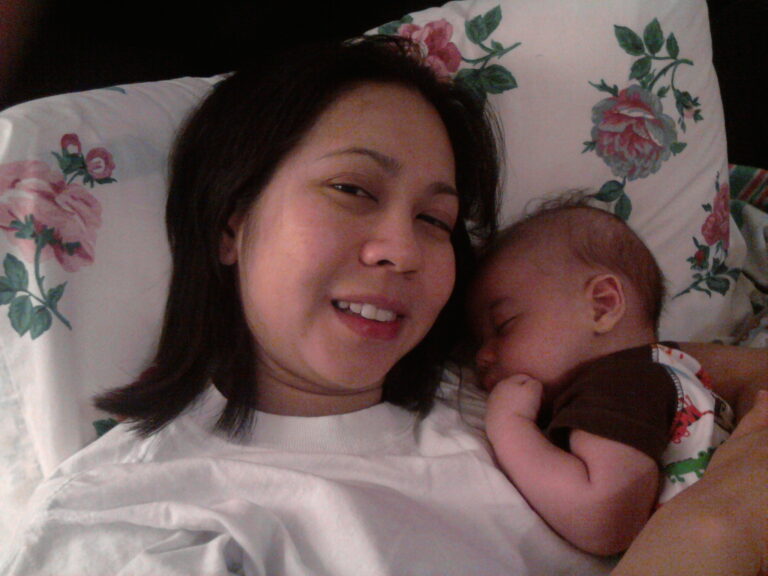
By: Amita Shah, MD
My son was born one month before I started my third year of general surgery residency. I had been on research the year before and was not sure what it would be like going back onto the wards with a newborn at home. I was much less sure if I could continue breastfeeding him during residency. When I was at home, I was able to breastfeed without issues, but I was concerned about being able to maintain an adequate milk supply while working 80 hours a week and taking overnight call every three days. There weren’t many people to ask for advice. Most of the female surgeons I knew that breastfed their children were attending physicians when they had their kids.
Being a resident is much different since there is less control over our own schedules and environments. It is possible to breastfeed during surgical residency, but it does take planning and working with your program and co-residents.
This is how I made it work:
- Every morning I made a game plan based on the schedule for the day and where I would be. Before I came back from leave, I identified all the mother’s rooms and refrigerators in the hospital. I set up a system where I utilized my own pump and hospital pumps stashed around the hospital based on my workflow that day.
- I pumped before and after every case. I didn’t always know when my next pump session would be so I took advantage of every opportunity I had.
- I purchased a hands-free contraption that I could use for pumping while returning phone calls and handling consults. (I pretended that no one could hear the pump in the background of the phone calls.) I used a crazy looking bra with holes in the front to hold the flanges, but now there is the Elvie.
- I wore breast pads to avoid leakage through scrubs if I knew I was going to be in a case longer than the usual time period between pump sessions.
- Orders and notes were pre-populated and templated so I could finish my work more efficiently and have time to pump.
- I carried around wipes, gloves, sanitizers and microwave sterilization bags in case I was in an area where there wasn’t a pumping room. Like most residents, I didn’t have an office so my office was the pump bag.
- On the weekends when I was not on call, I was diligent about timing the feedings. If my son wasn’t hungry, I pumped and saved the extra breastmilk.
- My husband and I alternated bottle and nursing throughout the night so I could get enough sleep. Pumping was a known quantity of time whereas breastfeeding was less predictable so I pumped in the middle of the night so I could get back to sleep faster.
- I put peanut butter and jelly sandwiches in my pump bag.
- My co-residents were all amazing. They gave me the space and comfort to pump when I need to and covered for me when needed. I am still thankful for them.
I was able to breastfeed my son for 7 months until I got a needle stick in the OR from a Hepatitis C positive patient. Fortunately, I did not get Hep C, but it did stop me from nursing. I had built up a store of breastmilk in the freezer so we were able to extend my son’s supply of breastmilk until he was 9 months old.
I made it work, but looking back, it was crazy and exhausting. Now that I am on the other side as an attending, I realize that I should have spoken up and asked for help. Nothing bad happened, but I could have been easier on myself. Having a newborn and reentering surgical training after three years of research was stressful enough. I cannot redo what happened in the past, but we can help future female surgery residents and let others know how they can help.
As female residents, sometimes we are afraid to speak up for things that are undeniably female things, such as breastfeeding, for the fear that we may be looked upon as a lesser resident. In the quest to be “equals” we deny ourselves of what we need to do for ourselves and our families as mothers. So, the next time there is a resident that has a young infant and is breastfeeding, create an environment where they feel comfortable asking for what they need for themselves and their infant. We should advocate for them. They need a clean and private place to pump. Refrigerators should be readily available. They should know that they have the permission to pump on schedule. Let them know it is allowed. Let them know it is okay. Let them know that they are supported and empower them to speak up when they need help.
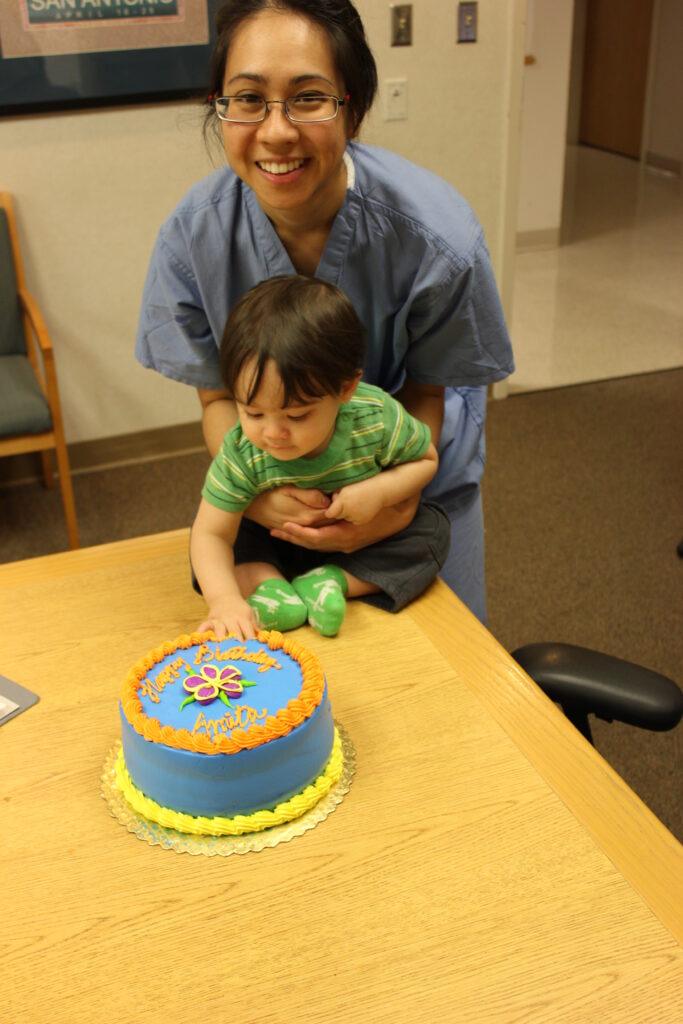
My on-call birthday 
Day of Life #1 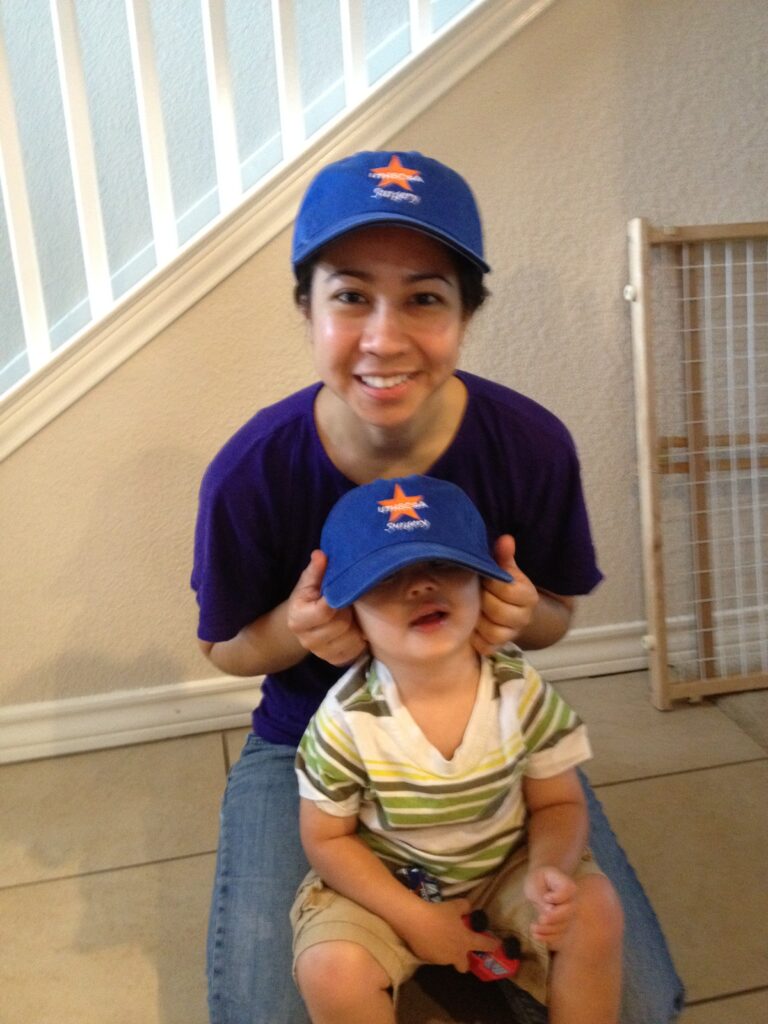
Surgery Swag! 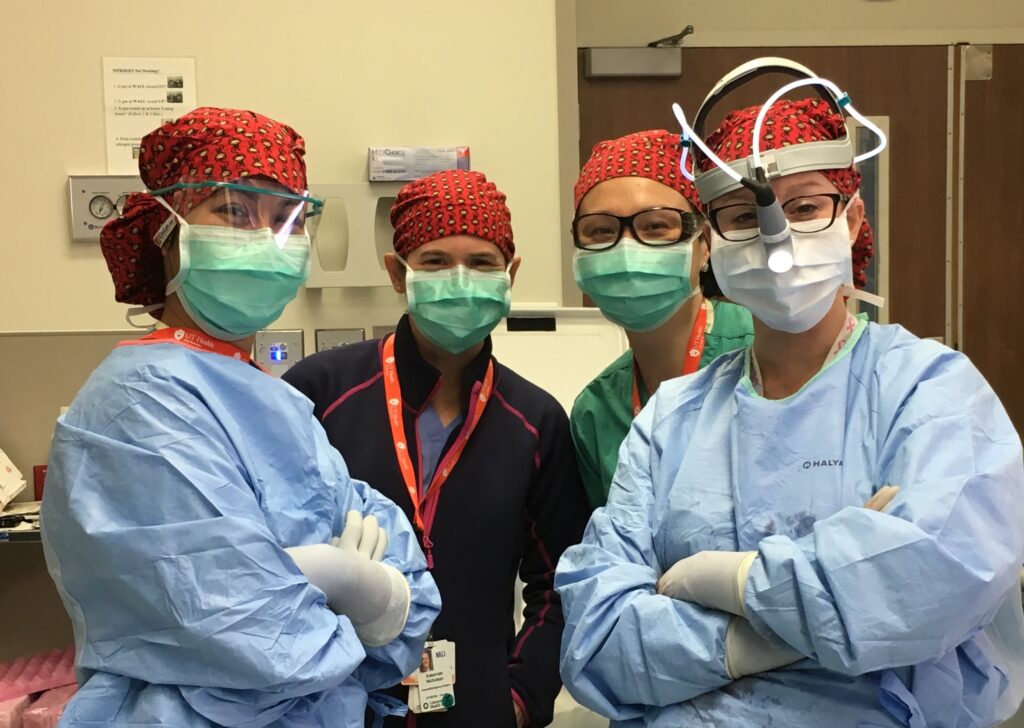
Amita Shah MD, Susannah Nicholson MD, Lillian Liao MD, Meeghan Lautner MD