
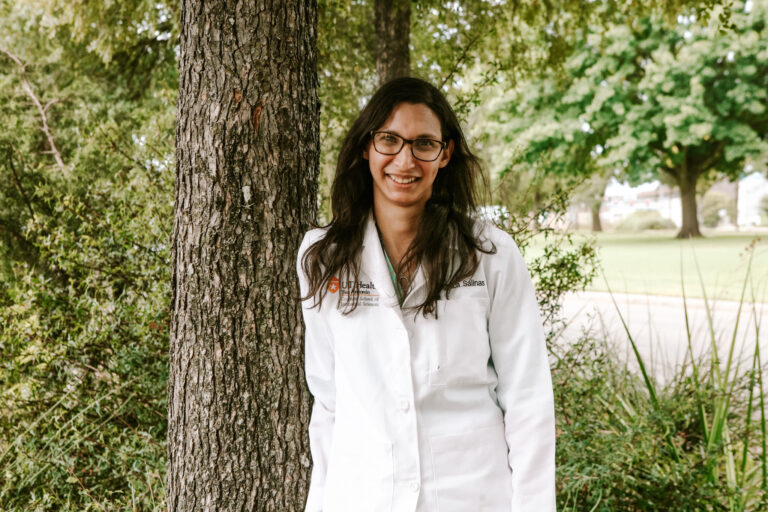
As a first-generation student, I always associated the professional world with suits and formal attire, and it was always incredibly intimidating to reach out and ask for guidance. I come from a family that doesn’t speak much English. My parents barely had a middle school education in Mexico, but my dad always pushed me to build on my interests and focus on academics. I grew up around horses, and honestly believed I would end up working and competing at some rodeo a living. With time however, my fondness for riding would evolve into a love for motorcycles, and with my father’s encouragement, my curiosity would lead me down a different path.
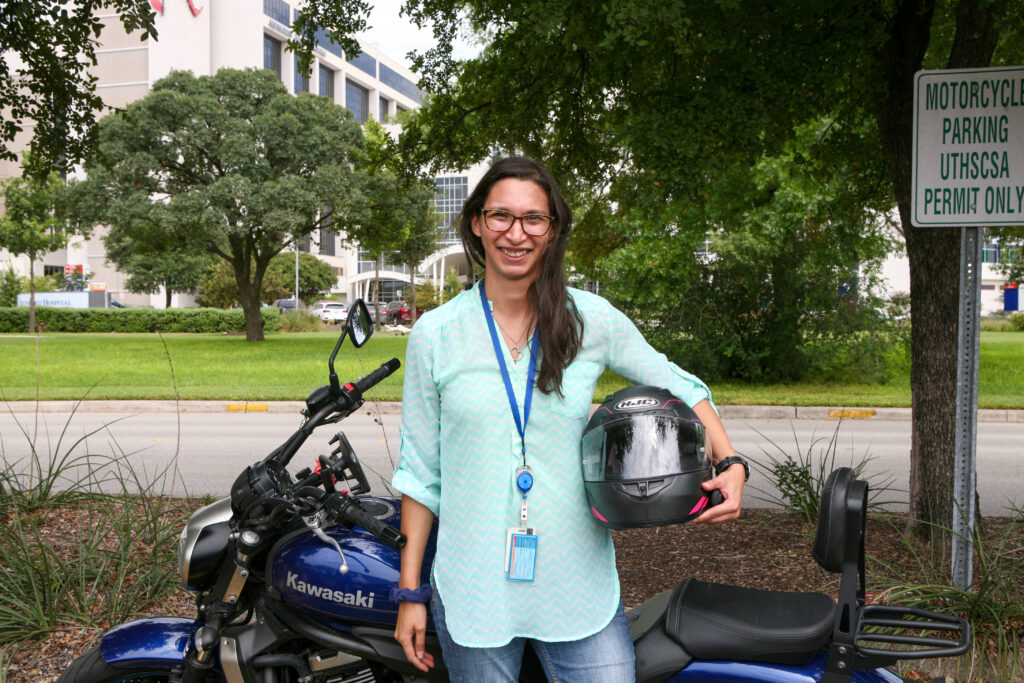
I got introduced to motorcycles around the age of 16 and developed a great respect for them. One aspect of riding a motorcycle that took me by surprise was the strong sense of community among the cyclists. When I started riding, I had an experience whereI lost control of my bike on gravel and accidentally laid my bike on the ground. I wasn’t injured, just shaken by the event and a random stranger pulled over and stopped to check on me. He helped me get back on my feet. It was a small action, but it felt overwhelmingly kind to receive that help from a complete stranger. Living in an environment where community is encouraged and people do not hesitate to lend a helping hand is so important, but certainly not limited to motorcycles: I soon discovered the value of an unexpected helping hand in the academic world as well.
"As a first-generation student, I always associated the professional world with suits and formal attire, and it was always incredibly intimidating to reach out and ask for guidance"
Dr. Angie Salinas Tweet
I attended St. Mary’s University for college. As a first-generation student, this institution played a major role in my success by providing guidance and assistance for students like me. I quickly realized that other students were experiencing similar problems; they felt disoriented and lost. While I enjoyed learning about science topics and followed lots of stories about scientists, I had no definite vision about what I wanted out of my life and what a career in science would look like.
Mentorship had a huge impact on my career trajectory. My first external mentor was a straight-talking Italian man who was very passionate about Alzheimer’s work. Almost right away he asked, “What exactly do you want out of this?” After my bachelor’s program, I was planning to complete a master’s before pursuing a PhD in neuroscience. He was very blunt in pointing out redundancies and told me that I had the intelligence and work ethic to bypass a masters and go straight for a PhD. This was a route I had not previously considered and his perspective changed everything for me.
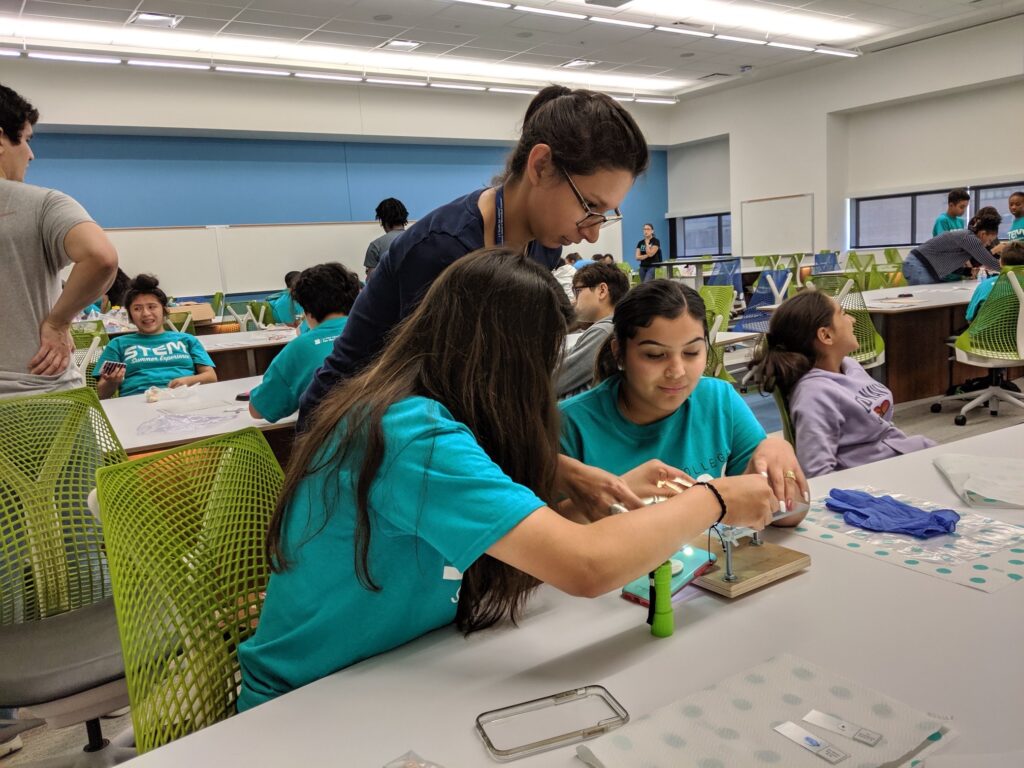
Having mentors who saw my potential and believed in me helped me achieve my dream of being the first female in my family to acquire a PhD in Neuroscience. With the help of the Department of Pharmacology at UTHSA and some amazing people within the department, I was able to join a summer program here at UTHSA with an R25 grant designed to help first-generation students get a taste of a career in science. It was a great opportunity for personal and professional development. As trainees under this grant, we learned how to communicate in a professional setting, attended conferences, presented posters, and truly got a full experience of what it would be like in graduate school. Science and academia can often be very competitive, but here there was a spirit of collaboration and communication. It felt like a family and I wanted to become a part of that family.
"Being on this side of the table made me realize there was a gap in my mind about professionals in academia being unapproachable and intimidating. I’m aware that we can make that gap smaller by being approachable."
Dr. Angie Salinas Tweet
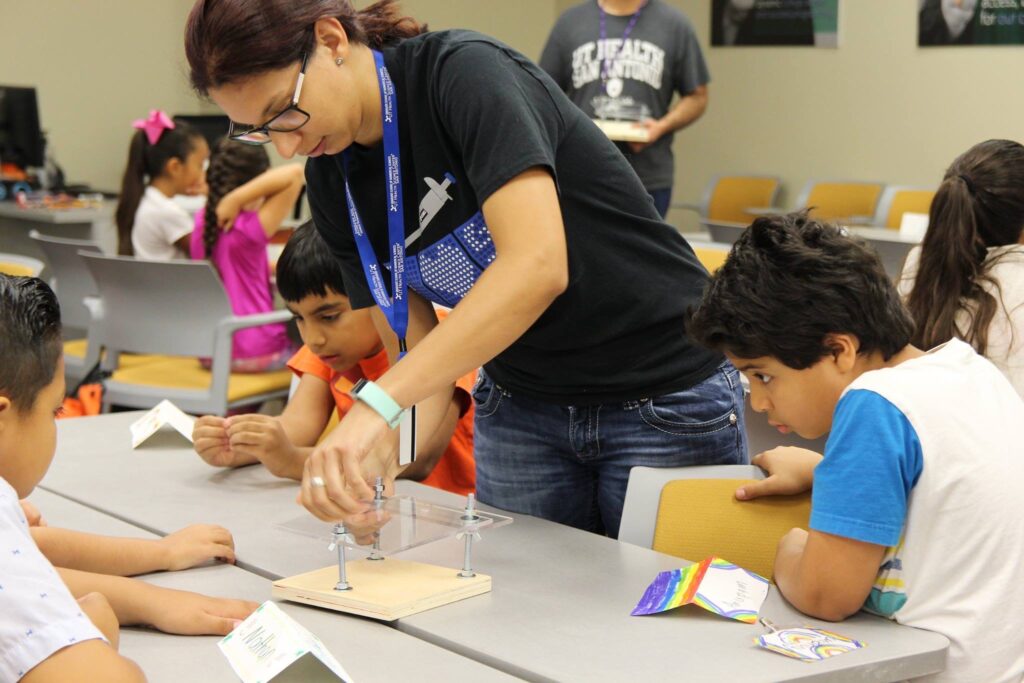
After joining the UTHSA family to pursue my PhD, I had the chance to return to St. Mary’s and teach a lab during the spring and fall semesters. It felt surreal being called professor, but also a bit natural because I was able to blend in with the students. Being on this side of the table made me realize there was a gap in my mind about professionals in academia being unapproachable and intimidating. I’m aware that we can make that gap smaller by being approachable. I tried to do this not only with my attire, but by always taking the time to share personal trinkets about myself with the goal of being approachable to students. And it worked! Students would approach me, willingly wanting to know about my journey. I was able to write a couple of letters of recommendation and it was extremely rewarding to help these students navigate a path that I once struggled along. Throughout my time at UTHSA, I’ve made it a point to stay involved in different organizations that help make that gap smaller by becoming involved with the community and inspiring more kids to pursue science at a younger age. I know with full certainty that I want to continue being involved in the community. My goal is to someday go back to my old stomping grounds at St. Mary’s University and teach, but for now, I will continue to have a lot of fun serving my community and in any way I can, by being involved and sharing my experiences. I feel like that institution gave me so much and I can’t wait to give back just as much to these other first-generation students.
"I feel like that institution gave me so much and I can’t wait to give back just as much to these other first-generation students."
Dr. Angie Salinas Tweet
Story: John Kouam, Photos: Claire Schenken