
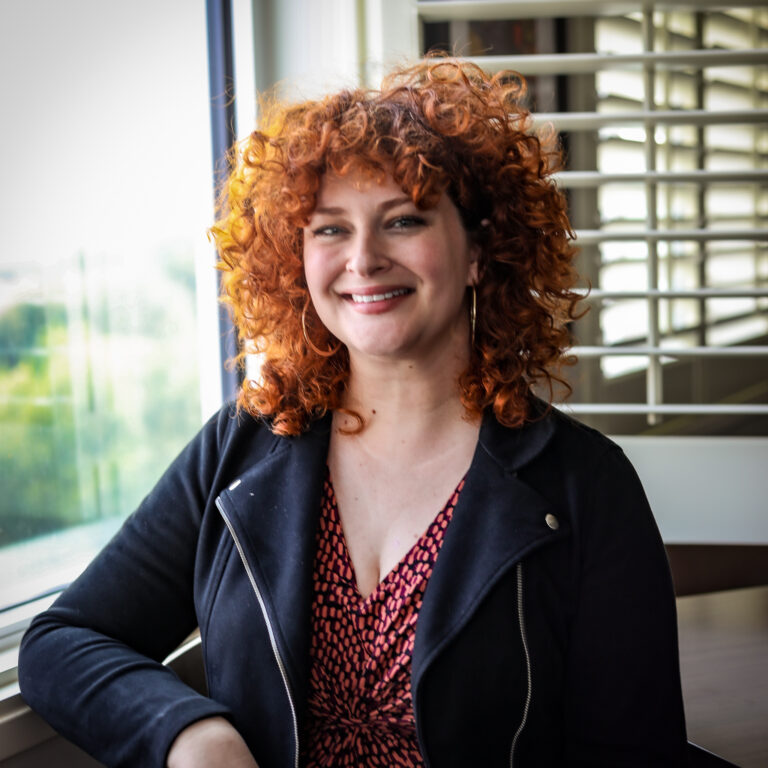
“I’m interested in the mind-body connection. They aren’t as disconnected as we like to think they are, and this field lets me explore both of these areas. I am a clinical psychologist and Director of Clinical Services at the Bariatric Counseling Center (BCC) in San Antonio, Texas, which offers a holistic approach to weight loss. This involves movement, cooking, dietary support, and counseling. We are specially trained to work with people who struggle with health and weight challenges due to binge eating and emotional over-eating. This population includes bariatric surgery clients, as well as people pursuing non-surgical weight loss. We don’t focus on the number on the scale – we work on why people do what they do and the habits, thoughts, and emotions that influence how they live their lives. We care more that our clients are happy in a deep way, whatever that looks like for them. The goal is for them to thrive by having good relationships, taking care of themselves in multiple ways, and to find happiness in many areas of their lives. Weight loss is the added bonus.
Much of my graduate work prepared me to help sculpt this program. In graduate school, I designed a program for children and adolescents, teaching mindful eating and emotional awareness. When developing the program at the Bariatric Counseling Center, we extrapolated a lot of the foundations of that program and modified them for adults. If you’re eating to manage your feelings, we’re going to help you figure out other ways to manage your feelings. We also figure out what those feelings are about and see what we can do about that too. When people leave this program, they have a new set of skills they can use across many areas of their life. They are not just hearing the same old things about “eat less and move more”. Clients have said that after doing the program, even if their stressors have not changed, they are not as stressed out about them. Life is still crazy but they are better able to handle the crazy.
I like to think of therapy as a way to give people tools to help themselves by providing a safe relationship and place to develop these skills. Safety is an important part of the therapeutic relationship; it’s necessary in order to let go of the way we’ve done things in the past and to risk trying to do things differently. Clients tell us all the time that our program feels safe and supportive; That’s what I’m really proud of here. Clients can talk about themselves, their weight, their habits, and their bodies in a way that they haven’t been able to before in other settings.”
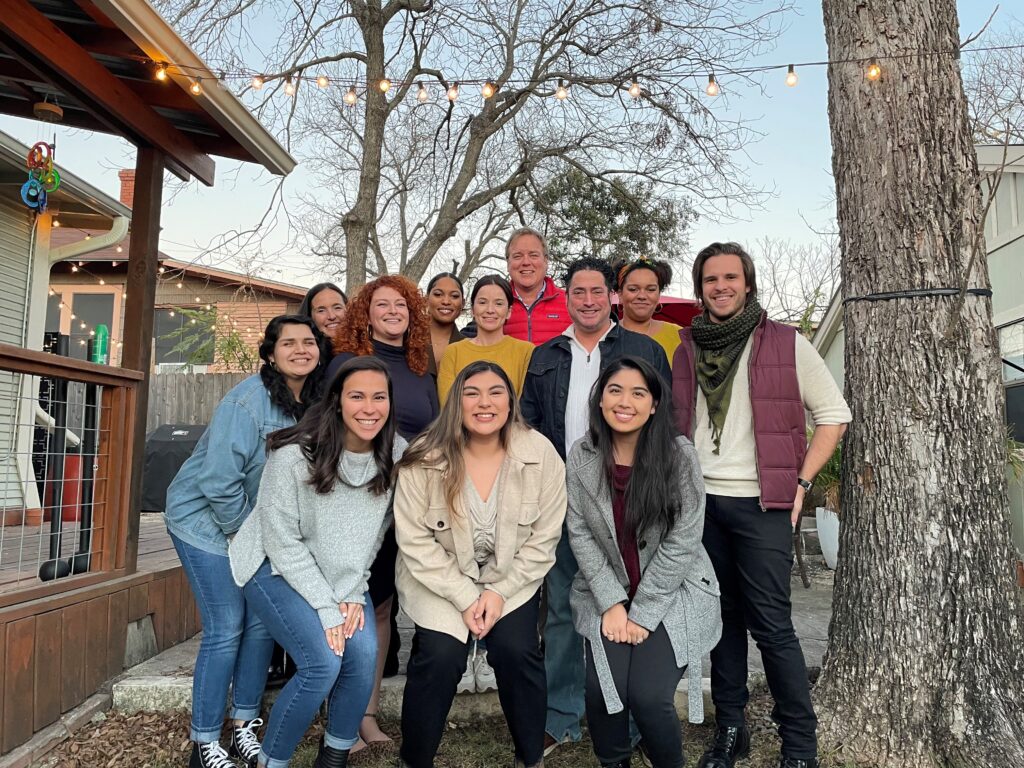
The key to a successful program is a strong team like the team at the Bariatric Counseling Center! The BCC is located in San Antonio, Texas. Check out their website for more information on their program:
A holistic weight loss program
The intensive outpatient program at the Bariatric Counseling Center is covered by most health insurance plans. These plans require clients to attend three sessions a week for three hours each time. Clients typically spend three months working with us. People think they don’t have time for it, but when their whole life perpetuates their problems, one hour of therapy a week doesn’t work as well to address all of the underlying systemic issues. Three months of consistent use of the skills they build by creating space in their lives for 9+ hours a week of treatment helps their lives to shift and creates more possibility for clients to care for themselves regularly. When they leave our program, they now have 9+ hours a week that they can use for themselves differently than they may have in the past, because their lives have gotten used to it. The time commitment helps change a lot of external things that need to change in order for clients to be successful. I used to think it was barrier, but now it’s one of my favorite things about the program.
At first, some clients are hesitant to go through the counseling part of the program and think that they don’t need it. People come in thinking they are fine, but as they develop emotional awareness, they realize there are some issues that need to be worked out. It’s like when things are smashed into a cabinet, everything looks fine from the outside, but it isn’t functional. After bariatric surgery, people often realize that the relationship that they have with food no longer works for them. When food is used as a coping mechanism and then they physically cannot eat the same way anymore, they can go through an emotional rollercoaster, because their coping mechanism has changed. People are more receptive to the program when they become more aware of how they are actually feeling.
Habit change requires support of repeated behaviors over a period of time. During these weeks in the program, enough life variables pop up that we get to help clients troubleshoot over time and help them stay on track with their new habits. Often, people learn a skill for a particular way their life is at that moment, but when life changes, they are at a loss for how to adapt. The skills we teach help them to have flexibility and adaptability so that they can adjust habits to different life situations and stages, making it clear that they don’t have to live their life a particular, rigid, specific way.”

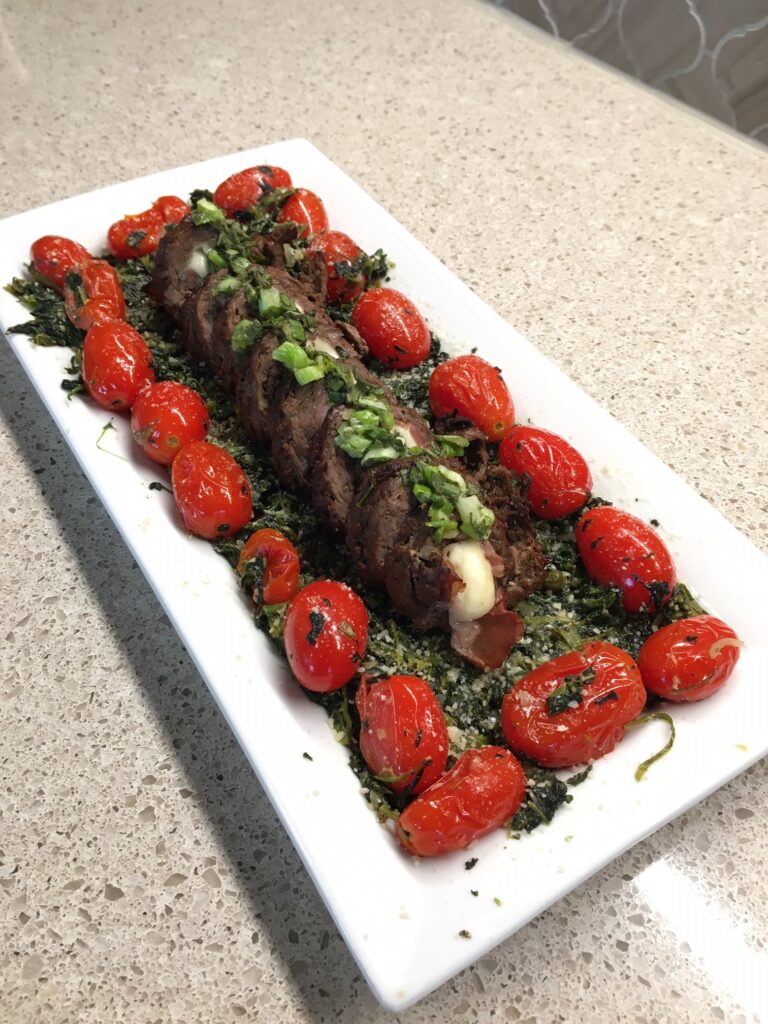
The on-site chef teaches clients how to make quick and healthy meals for themselves and their families.
Mexican Beef & Veggie Stuffed Peppers (left)
Beef Saltimocca with Sauted Spinach (right)
Learning it's ok to take care of yourself
Some people hope that a weight-related lifestyle change will help their whole families develop healthier relationships with food, while others fear that their own changes will disrupt or inconvenience their loves ones. We let clients know that it’s okay to affect the other people in your life. Taking care of yourself is important and it is important that it includes other people.
Many of our clients put themselves at the bottom of their own “To-do” lists if they are even on the list at all. If you’re just fitting yourself into the cracks of your life in between everyone else, you are not going to have much time to prepare a meal. Our clients often eat the foods that are easiest to eat when they are rushing around doing everything for everyone else, and those types of foods typically result in weight gain when consumed regularly. Because of the time commitment of the program, our clients have to ask others for help and trust that others in their lives can take care of things. This process helps build skills including assertive communication, setting boundaries, and letting go of a need for control. We ask, “Are you eating this because it is the quickest, easiest thing to eat, and what is going on in your life that you have to eat like this?” They, and their families, have to make the mental shift that they are worth the time and effort to have a good meal. We also encourage them to set boundaries at work around mealtime, to take their lunch break, and to identify other reasons they may often be too tired or too busy to make a meal. We see what we can do to help them change the factors that can be changed and to choose different foods when they still need an easily accessible meal.
Taking time to have a good meal in our program includes mindful eating, also known as intuitive eating. When teaching mindful eating, we have clients notice their mood when they want to eat. There’s a useful acronym – HALT. Am I Hungry? Angry or anxious? Lonely? Tired? It’s important to know what we really need in a given moment. If they are not hungry, but are angry and lonely, they need to do something that actually addresses those emotions such as reaching out to a loved one to vent, since food won’t directly help that feeling. We ask, “Is food actually going to address what is going on with me right now?” Next, they learn how to notice how hungry they are and choose to eat when they are hungry. Then they notice the taste, texture, and smell of their food. Most of us eat really fast. We help people to slow down for a more comfortable, pleasurable experience. Taste your food and enjoy it!
Self-care is important for healthcare professionals because in our work, we are our tool and if your tool is not maintained, then you can't use it effectively.
Sara Hamilton, PsyD Tweet

Defining your self-care
Self-care is now strongly emphasized in many graduate programs for psychologists and other therapists. That’s where I feel that I’m unique in coming from a particular experience of messages about self-care that most people, including our clients, do not. Most people have never had someone telling them that it’s important to take care of themselves in a way that is deeper than just getting the occasional mani-pedi. The most effective self-care is about finding deeper ways of taking care of yourself both in the long-term and the short-term. It helps us enjoy indulgences as a part of our life, rather than an opportunity to get away from our lives. A lot of people don’t know what energizes and depletes them on a day-to-day basis; self-care involves figuring that out and adjusting what you can accordingly. Once you figure out what your functioning is most dependent on, you can prioritize and protect that activity. For me, it’s good sleep, and enough of it. For others, it is exercise. If your mood tanks when you’re hungry, focus on your meals and nutrition. If you thrive on social connectedness, make plans to be with others. Make space regularly to do the things that rejuvenate you. Therapy can help figure this out.
I have been in therapy myself since high school, and it’s an incredibly important part of my self-care and my professional development. I was lucky that I got the consistent message from others in the field that it is important to do your own therapy in order to do this kind of work. You need to know your triggers, because clients will trigger you and you need to know why and how to respond in the ways that are best for you and for your clients. We are very much about addressing the stigma against mental health treatment, and many of our providers are open about our own experiences with therapy and medication. Our clients may not have had any contact with mental health professionals before, so we help people understand what it looks like to do therapy and help to answer questions about diagnosis, therapy, and medication.
Therapy can help provide a toolkit. We provide a lot of tools and not all of them are applicable to every client right now, but our clients will have these tools should they need them in the future. We will not tell clients what to do; we will tell them a whole bunch of things they could do and we help them figure out which of these works for them. What works for them now, may not work later on as their lives change, and we talk about taking what works for them now and keeping the other ones for the future. Many clients keep the handouts from their treatment and review them over time; alumni from our program have told us things that may not have registered while they were here, apply to them now, and they’re happy to have the knowledge and resources.

Tips for provider self-care
My training was good about teaching us how to put a good boundary between work and life. We learn how to leave work at work and our personal life out of work, but still bring our whole self to the job. As a psychologist, in my training, we are told that our self-care is important and that we can put people in danger if we aren’t taking care of ourselves. I wish that physicians were given this message from their institutions more often. Self-care is important for healthcare professionals because in our work, we are our tool and if your tool is not maintained, then you can’t use it effectively.
Not feeling overly responsible for clients is key for developing healthy boundaries to “leave work at work”. It is important that I trust my clients and their ability to take care of themselves the best that they can. It’s not my role to save their lives. I am not here to completely do the work for them and couldn’t, even if I wanted to. I think having an accurate idea of the scope of my responsibility helps me manage what I’m feeling when the work is challenging. I offer observations and ideas, but it is not my job to figure everything out for clients because it doesn’t help them the next time they come up against a challenge. I’m not going to tell them exactly what to do, but I will give them information, and teach them how to better understand themselves in order to help them make decisions. I don’t take credit for their successes, I don’t blame myself for their struggles, and tell them I am with them every step of the way. We are empowering clients to take ownership of the process of changing their lives. If you want the change, you have to take the steps to do it and then you take the credit for your success.
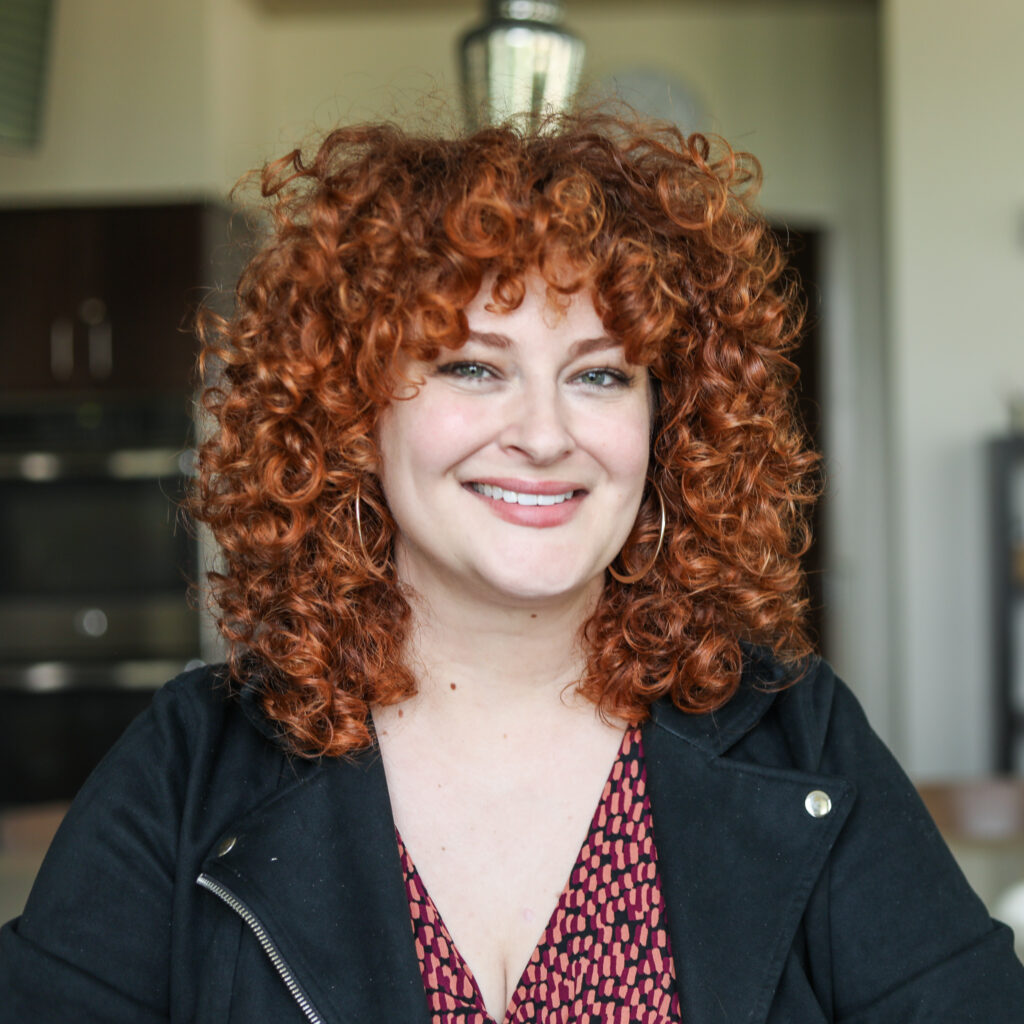
Sara Hamilton, PsyD is a licensed clinical psychologist and the director of clinical services at the Bariatric Counseling Center in San Antonio, Texas. Her clinical and academic focus is on how practicing mindfulness facilitates improved emotional health, bodily awareness, and self-compassion.