
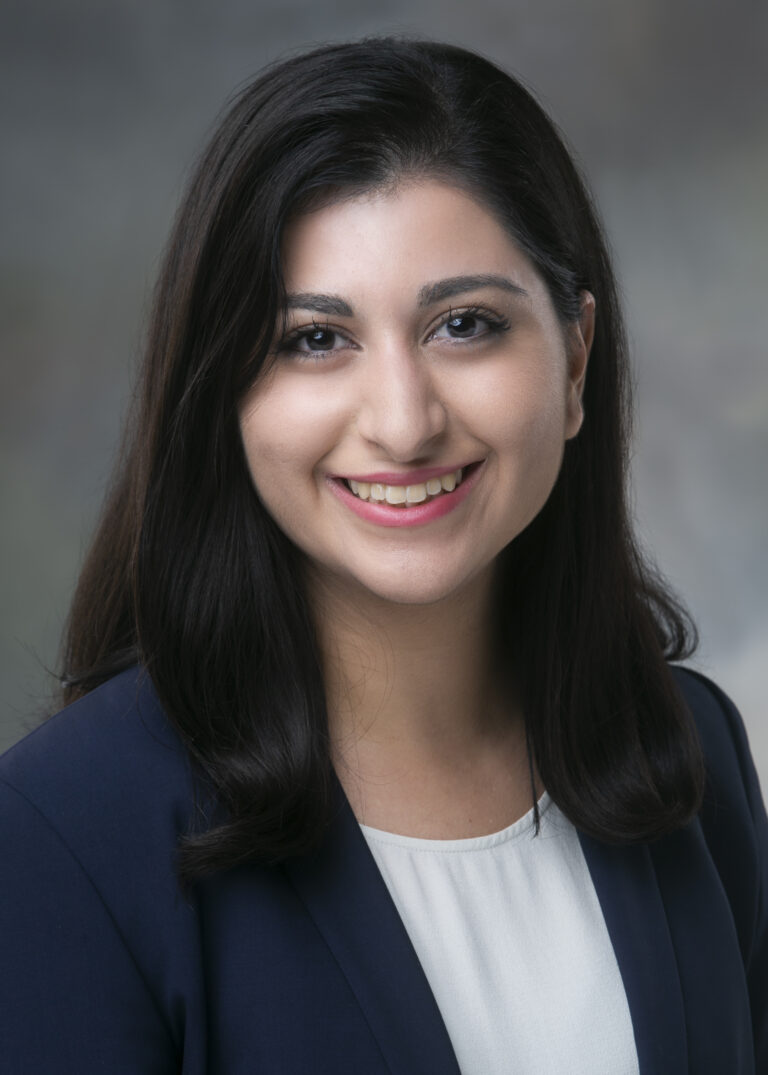
“I think the fact that both of my parents came from Iran- hearing about their experiences growing up, the experiences of my family and the circumstances that brought them here, and the struggles that they went through to get to this point to provide for us- played a really big part in my interest in advocacy. For a lot of Iranians who live here in the US, the Revolution of 1979 was a major turning point for them. A lot of people that you talk to here who are Iranian-American or whose parents are Iranian will say that they all immigrated here around the time of the Revolution. It disrupted a lot of their lives. My mom came over here a little bit before that, and my dad came after the revolution started. There was also the Iran-Iraq war. My grandparents on my mom’s side were teaching in a medical school during that time. My grandma would say that sometimes students wouldn’t come to class and then the next day there would be flowers on their desk, and that’s how you know they had passed. Hearing about what they’ve gone through puts things in perspective for me. Similarly, we had the Green Movement following the election in 2009. Most of the people of Iran supported one leader (Mousavi), but then the government twisted the election results so that Ahmadinejad would be re-elected, even though there was clear support for Mousavi. Seeing how people there were fighting and risking their lives for their right to vote and for their vote to be heard, and then seeing people here just not care about voting is really frustrating for me. People take voting here as a guarantee when it’s actually a privilege to be able to vote and to know the sanctity of your vote. Here, you’re able to vote and speak critically about leaders, and know that your life and freedom are supposed to be protected. I try to appreciate those things more and treat voting as a privilege and not just a right.
Being Active in Chage
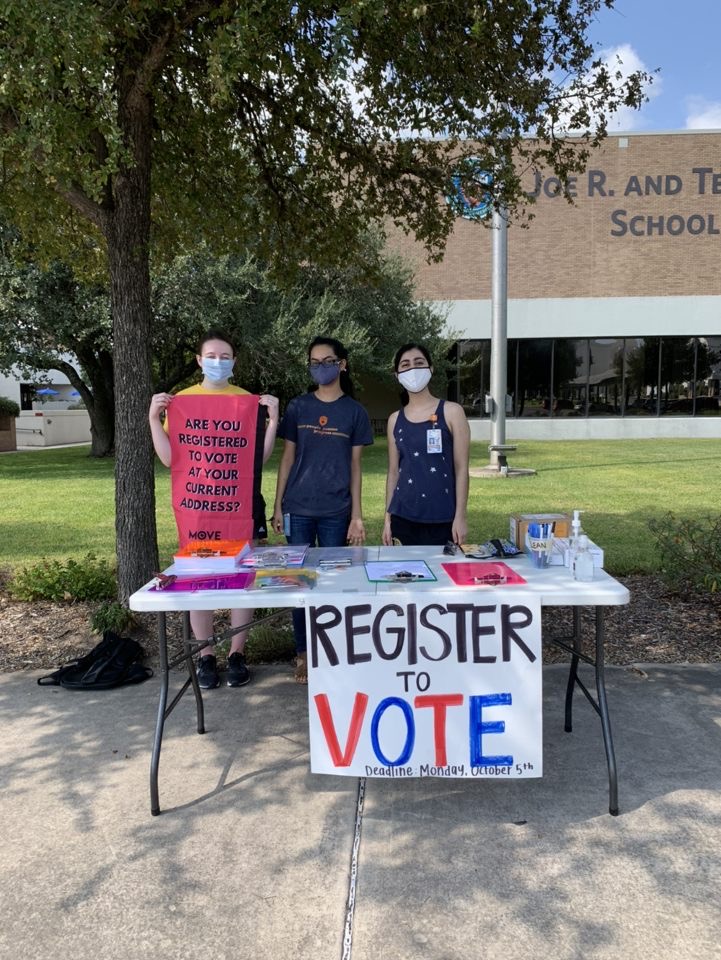
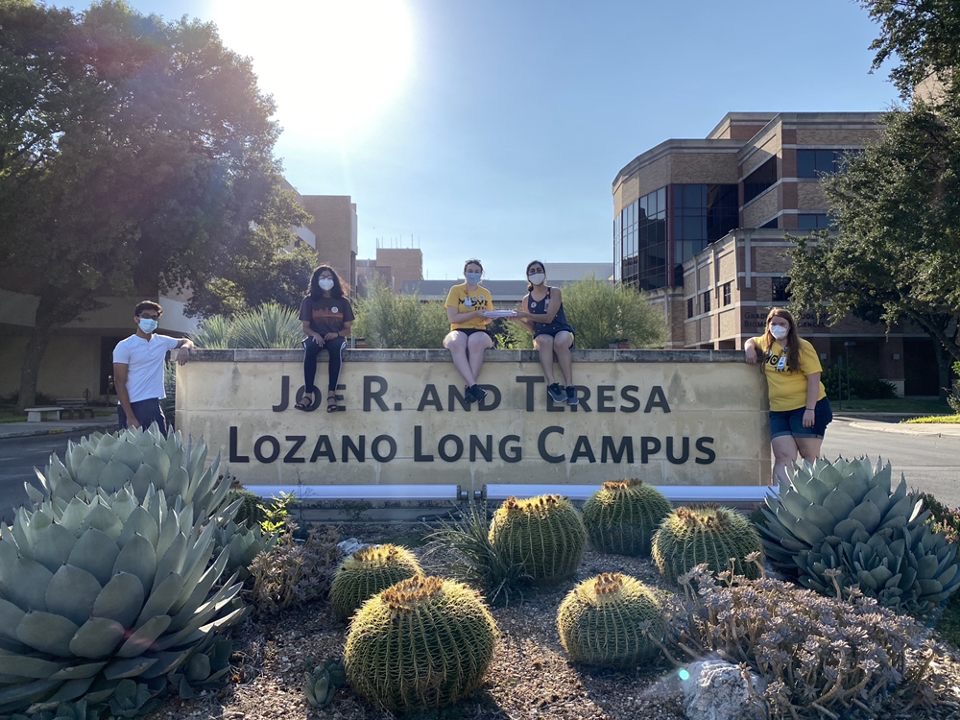
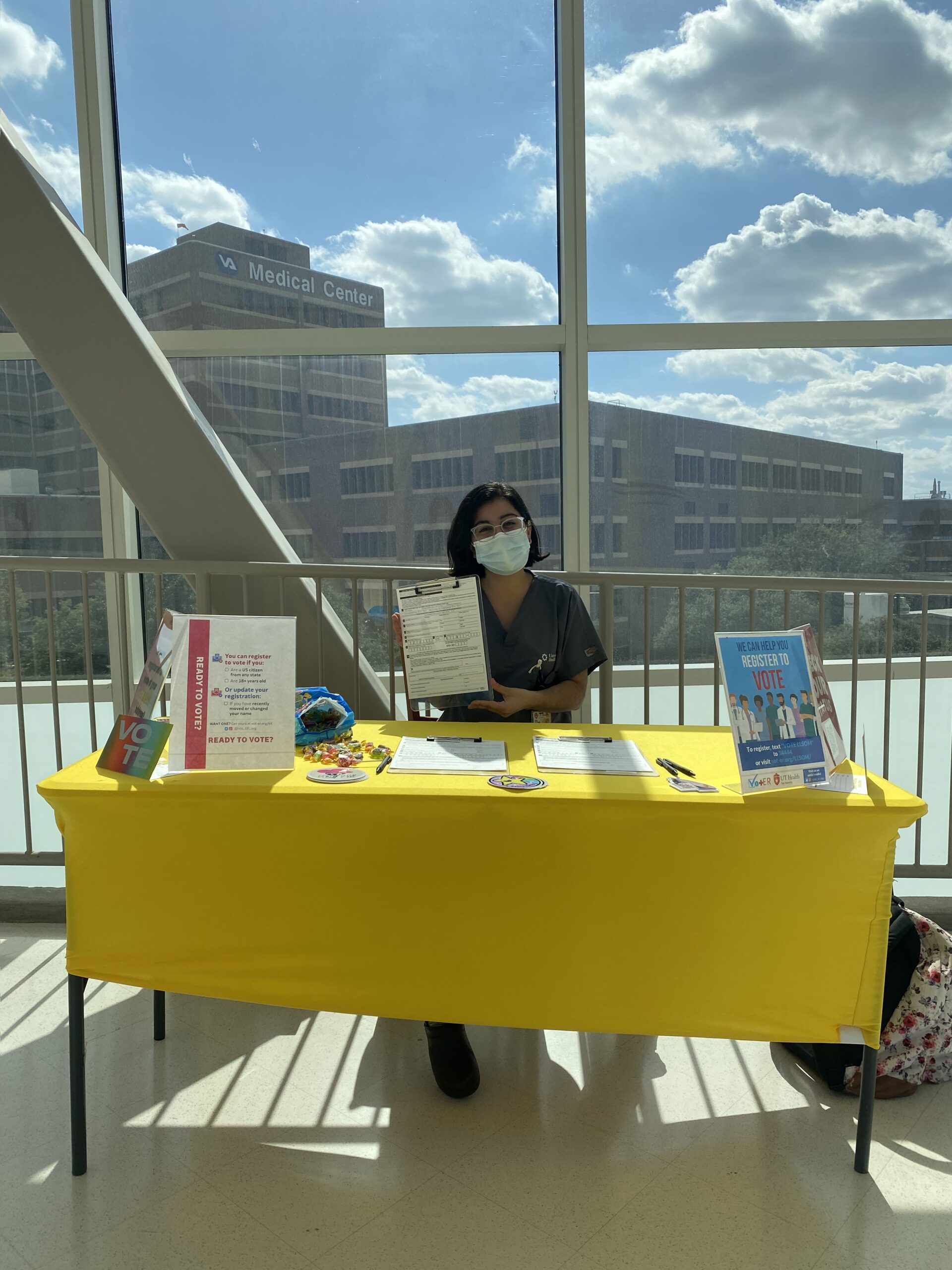
Once I got to college, I remember being very frustrated with everything that was happening in the news. I felt helpless. When I would hear about things that were going on around me in the world, I felt frustrated. As your standard pre-med bio major, how could I actually help with any of this? But then, the very first week that I came to medical school, they had the organization fair. I remember hearing about the AMA/TMA/BCMS group and learning that we could get involved in policy and advocacy work as medical students– which was really exciting for me! So, I went to all of those meetings. I was really excited about how all the students- people like me- were doing all these things. From there, I got involved in policy work through the AMA and TMA. Then, around the 2020 elections, one of my friends, Margot Favret, had reached out to me and asked if I wanted to be involved in on-campus voter registration. We partnered with MOVE Texas, which is an organization in Texas that works to improve voter turnout and voter registration, especially in young people. They do a lot of work on college campuses and were even at UTSA– that’s how I got registered there and how UTSA became a voting location. We were trying to establish on-campus voter registration during the height of the pandemic, pre vaccines, which made things very difficult. However, everyone was really supportive of this event, including UTHSCSA and UH admin. So, with many people’s help, we were able to do on campus voter registration. We also had stations at the main lobby in UH and the staff bridge to attract as many people as we could. Back then, we were able to register a few hundred people. We did again this year, too! Now we’re working to establish UTHSCSA as a voting location, so that the students and staff at UTHSCSA, as well as everyone over at the UH and VA and others in the med center, have easier access to voting.

Being Active in Advocacy
I am the Minority Issues Committee Chair for the AMA, and last year I was the AMA Region 3 Vice Chair. I think the most important stuff I’ve done through the AMA has been the policy writing. The medical student section is really the most progressive part of the AMA. We are always the ones who are pushing the older generation of physicians to reconsider how things can be in medicine. Resolutions are policy proposals. Lots of the resolutions that I have been on have been about health equity, immigrant health, health of incarcerated individuals, gun violence, and reproductive justice. There was even one on the segregation of demographic data for Middle Eastern and North African individuals. Usually, we have to say that we are White in the census, for example. We were arguing to put another category so that you can actually keep track of those disparities better and not erase a whole group of people and the unique issues they face. A lot of my work has been policy work focused on those who are underserved and underrepresented. I think that has been really important because the policies that we put forward directs the AMA’s actions so the AMA can go and lobby for policies that support health equity. We are essentially guiding the AMA’s advocacy. As medical students and especially at our student run-clinics, we have the privilege to talk to our patients more and understand the struggles they are going through. It’s up to us to be the more idealistic ones and push for all types of change. Lots of times, people are led to believe that things that are progressive and idealistic are unrealistic, and they shoot down those ideas without giving them an actual chance. But why limit yourself like that? Do your best to propose what you want to happen, then see what happens.
Voting Matters!
To people who may think their vote doesn’t matter: I think it makes sense for people to be discouraged about how votes have gone recently, and it’s a very reasonable feeling to question if your voice is actually being heard. But it’s important to remember that if a lot of people have that outlook, then large numbers of people are not going to go out and vote. That’s a way of guaranteeing that what you don’t want to happen, will happen; it’s a self-fulfilling prophecy. If you think the person you are going to vote for won’t win, so you don’t vote, how could they win? On the other hand, if you go out and do everything you can and encourage others to vote, at least you know you’ve done everything you can. One piece of advice I’d give to people interested in advocacy is: don’t hesitate to reach out to people. Take that first step to get involved and it’ll get easier. I think that’s one of the biggest things that I’ve seen while doing all this advocacy work. There are so many people who want things to change like you do and who want to help if you just reach out to them. I have reached out to our school admin, UH admin, upperclassmen, friends- now I have supporters from around the country who want to help with my advocacy. Join orgs on campus. If you hear things that people are doing that interest you, talk to them and ask how you can help and at the minimum they can point you in the right direction. Every action counts, you just have to take that first step.
Story: Ashley Mai, Photographs: Provided by Ida Vaziri
Follow Ida on Instagram! @siriuslyida